Guide to Maintaining Your Epoxy Floors | Fórte Surfaces
Epoxy flooring is a sturdy, long-lasting solution that helps many homeowners combine function and form. After it sets, you get a hard, glossy surface that resists stains, chemicals and daily wear and tear. While maintaining an epoxy floor is straightforward, it requires a certain level of understanding. Learning what makes it special, why it's popular and how to maintain it will help you get the most out of this distinct type of flooring.
The Benefits of Epoxy Floor Coatings for Homeowners
Learn More about Residential Epoxy Flooring
The pros of epoxy flooring make it an easy recommendation and a smart choice for homeowners looking for a reliable yet stylish type of floor. Here are some of the many advantages that make epoxy such a popular residential floor surface:
- Protection: Epoxy coatings protect floors by forming a tough, seamless barrier over the existing surface. This barrier can resist stains, chemicals, moisture and abrasions. It effectively shields the underlying floor from most types of common damage.
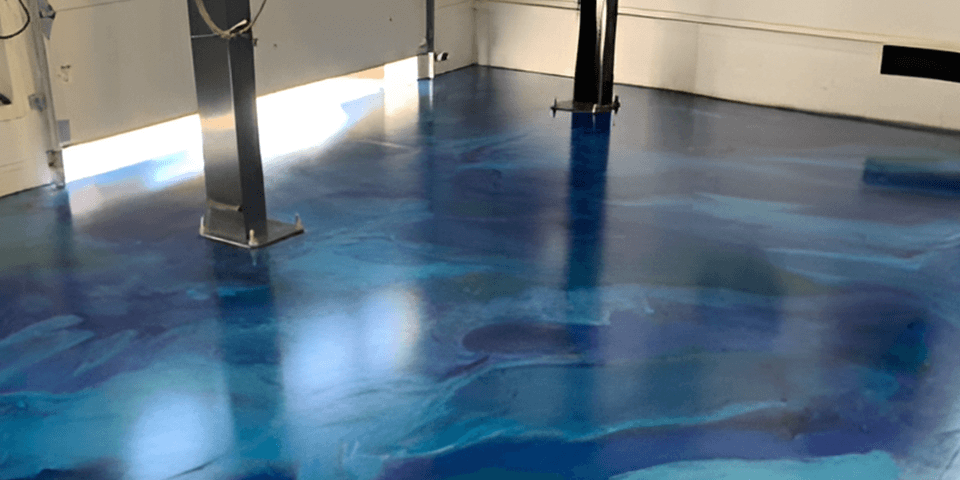
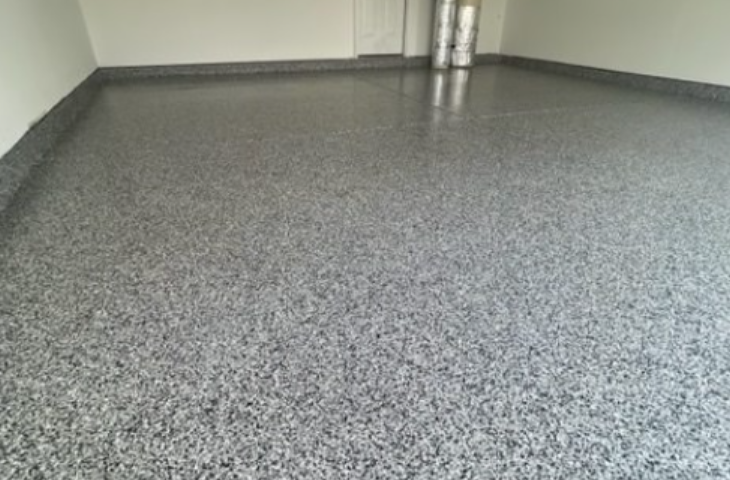
- Variety: An epoxy coat can come in various colors and styles. Textures range from glossy solids to intricate stone-like designs for an option that perfectly suits the style and ambiance of any room in your home.
- Affordability: Epoxy flooring is an affordable flooring option, especially when compared to other options. It is quick and easy to install, and due to its reliability and durability, it's a cost-effective option in other ways.
- Durability: Epoxy flooring is exceptionally robust, capable of withstanding heavy foot traffic, impacts and various types of abuse. Its resilience against wear and tear ensures longevity and reduces the need for frequent repairs and replacement.
- Maintenance: This type of flooring is simple to maintain, which makes it a popular choice for many homes.
Is Epoxy Flooring Hard to Maintain?
Epoxy flooring is generally easy to maintain but requires specific care to preserve its appearance and durability. While the surface resists most types of damage, it still has maintenance requirements. For instance, if the floor experiences heavy traffic or exposure to harsh chemicals or frequent spills, it may require more cleaning and maintenance. Additionally, neglecting regular upkeep, such as sweeping and promptly cleaning up spills, can lead to other problems, like damage to the epoxy coating itself.
While epoxy flooring is durable and low-maintenance compared to many other options, it still needs proper care and attention to ensure its longevity.
How to Clean Epoxy Floors
Cleaning epoxy floors is incredibly easy, and it can become even easier with the right strategies.
Follow these epoxy cleaning tips to keep it pristine at all times.
Epoxy Floor Cleaning Tips
Regular cleaning is critical to maintaining the shine of your epoxy floor. These are the best ways to clean your floors regularly:
- Sweep and vacuum: Remove loose dirt and debris from the epoxy's surface. Dust and grit can be abrasive if left for too long. They can potentially dull the floor's shine over time.
- Mop or use another soft cleaning tool: Mop with warm water, or use a soft microfiber cloth. Abrasive tools like scrubbing pads and abrasive brushes can scratch the floor's surface. Use soft cleaning tools like microfiber cloths and mops.
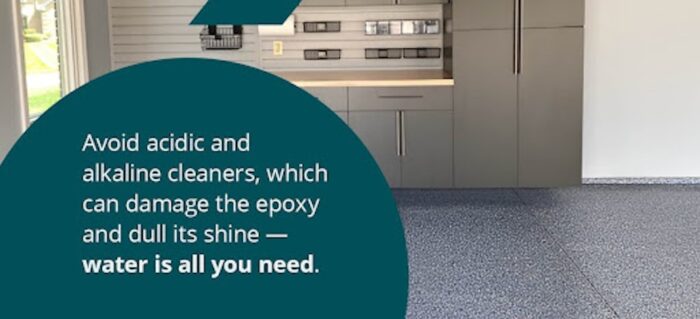
- Use a neutral cleaner: Tackle tough stains by using a mild cleaner with a neutral pH. Many cleaners are specifically designed for epoxy floors and offer the best option for removing stains. Avoid acidic and alkaline cleaners, which can damage the epoxy and dull its shine — water is all you need.
Preventative Measures to Protect Your Epoxy Flooring
Aside from regularly cleaning, here are some other preventative measures you can take to protect your epoxy floors:
- Clean spills immediately: Clean up spills promptly to prevent staining and potential damage.
- Avoid sharp impact: Refrain from dragging or dropping sharp objects on the floor to prevent gouges and scratches.
- Place mats and rugs down: Use mats or rugs in high-traffic areas or under heavy furniture to reduce wear and tear.
- Use furniture pads: Felt pads under furniture legs can prevent them from scratching the floor and leaving indentation marks.
- Perform regular maintenance: Schedule periodic maintenance, such as resealing and recoating, to keep the epoxy flooring in top condition.
Implementing these preventative measures can help protect your epoxy flooring and greatly extend its life span.
The Importance of Routine Maintenance
Routine maintenance of epoxy flooring is essential. It improves its longevity, appearance and durability. Regular upkeep prevents dirt, debris and stains from accumulating on the surface, maintaining the floor's aesthetic appeal. Regularly scheduling professional maintenance services is required to get the most out of your epoxy flooring.
The frequency of maintenance for epoxy flooring depends on various factors. Factors include foot traffic, exposure to chemicals and environmental conditions. Generally, routine maintenance tasks such as weekly or biweekly sweeping and vacuuming are recommended. Periodically, consider more thorough cleaning and maintenance, such as deep cleaning and resealing. Perform this deep cleaning every few months or as recommended by the manufacturer. Ultimately, tailor your maintenance schedule to suit the specific needs and usage patterns of your epoxy flooring to ensure it stays in optimal condition.
Signs Your Epoxy Flooring Needs Maintenance
Keep an eye out for these signs that indicate your epoxy floor needs maintenance service:
- Dull or faded appearance: If the epoxy surface loses its glossy finish and appears dull or faded, it may need resealing or recoating to restore its shine.
- Stains or discoloration: Deep cleaning or spot treatment can often remove stubborn stains or discoloration on the floor.
- Chipping or peeling: Areas where the epoxy coating is chipping or peeling away suggest that the floor may require repair or recoating to prevent further deterioration.
- Surface irregularities: Uneven areas, rough patches or texture changes on the floor indicate wear and tear. These problems require attention and service to maintain a smooth surface.
- Increased porosity: If the epoxy surface becomes more porous or susceptible to absorbing liquids, it may need resealing to maintain its protective barrier.
- Noticeable wear: High-traffic areas that show signs of excessive wear or abrasions may require recoating or additional protective measures to extend the floor's life span.
- Difficulty cleaning: Over time, cleaning could become more challenging, with dirt and debris stubbornly adhering to the surface. If you notice this problem, it may be time for a more thorough cleaning or maintenance routine.

Forte Surfaces: Your Epoxy Flooring Experts
Forte Surfaces has been in the industry for over 15 years, and we continue to deliver excellence in everything we do. We use the highest quality materials, and our experience means we know how to give you a premium product and experience. Through consistent communication and unmatched industry knowledge, we install and maintain epoxy floors that stand the test of time.
As a family-owned and operated business, we ensure that our highly-trained technicians deliver only the very best. We provide cleaning, restoration, sealing and floor protection services. Get a free quote from us today to explore your options and discuss texture, style and color options.