Extend Life of Commercial Floor Coatings | Fórte Surfaces
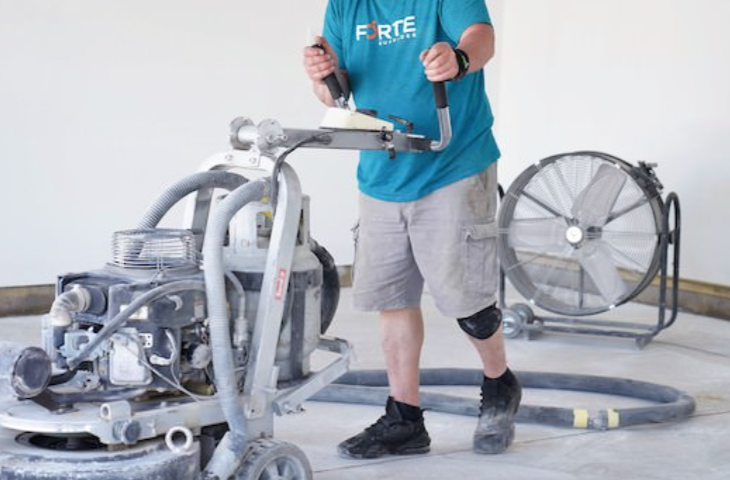
Commercial epoxy flooring is thick, typically 2 to 3 millimeters or more. These floors are thicker than residential epoxy coats to improve durability. Commercial floors must withstand heavy loads and lots of foot traffic and support industrial equipment. Epoxy is popular for commercial purposes because it is strong, reliable, cost-effective and customizable. This guide explores how you can extend the lifespan of your commercial epoxy floor.
Learn More About Industrial Floor Coatings
How Commercial Floor Maintenance Impacts Longevity
Maintenance is critical for the longevity of commercial epoxy floors because it helps preserve the integrity and performance of the flooring system over time. Commercial spaces often experience heavy foot traffic, exposure to harsh chemicals and other tough conditions. This takes its toll on the epoxy surface if not properly maintained.
The Life Expectancy of Epoxy Floors
The lifespan of commercial epoxy flooring can vary depending on factors such as quality of installation, level of maintenance and intensity of use. Generally, well-installed and properly maintained epoxy floors can last for years. Heavy traffic areas or areas with harsh conditions may experience wear and tear at a faster rate, reducing their life span. Several factors influence the longevity of commercial epoxy flooring, including:
- Foot traffic: High levels of foot traffic can accelerate wear and tear on epoxy flooring, leading to premature deterioration.
Chemical exposure: Exposure to harsh chemicals, such as solvents or acids, can degrade the epoxy surface over time, compromising its durability. - Impact resistance: Epoxy floors may experience impact from heavy equipment or dropped objects. These impacts can cause chips and cracks.
- Temperature fluctuations: Extreme temperature fluctuations can cause epoxy flooring to expand and contract. This movement may lead to cracks or delamination that you can restore by replacing or resealing the epoxy coating.
- Moisture levels: Excessive moisture can weaken the bond between the epoxy coating and the substrate. Too much moisture causes lifting and bubbling of the surface.
- UV exposure: Sunlight can cause epoxy floors to yellow or fade over time, especially in outdoor or sunlit areas.
Strategies to Extend Your Commercial Epoxy Floor’s Lifespan
You can extend the longevity of commercial epoxy flooring in many ways. Elevating care for high-traffic areas is crucial because these areas receive more wear and tear. The risk of damage and deterioration is higher in these locations because they experience more direct contact. By implementing protective measures and strict maintenance plans, you can improve the longevity and performance of these vital areas in your commercial space.
Following these protective maintenance tips and creating an effective maintenance schedule is a reliable way to enhance the performance of epoxy flooring.
1. Proactively Combat Wear and Tear
To proactively combat the wear and tear of commercial epoxy flooring, consider implementing the following measures:
- Regular cleaning: Schedule routine sweeping, mopping and cleaning to remove dirt, debris and spills promptly. Preventing them from accumulating on the surface will stop them from causing damage over time.
- Use protective mats and rugs: Place mats or rugs in high-traffic areas, entryways and under heavy equipment or furniture. Reducing direct contact with the floor reduces abrasions on the epoxy surface.
- Apply floor sealants: Periodically apply epoxy sealants or coatings to reinforce the protective layer. Doing so enhances the floor’s resistance to wear, stains and chemicals.
- Suggest or require adequate footwear: If possible, ask people to wear non-marking, soft-soled footwear to minimize scratches and scuffs caused by abrasive footwear or debris.
- Install floor protectors: Attach felt or rubber protectors to the legs of furniture and equipment. They can prevent scratching and indentation marks on the epoxy surface.
- Conduct regular inspections: Periodically inspect the flooring for signs of wear, damage and deterioration. Address any issues promptly to prevent future degradation.
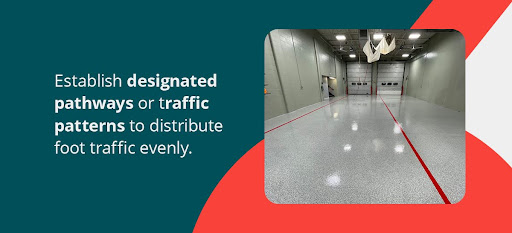
- Implement traffic management: Establish designated pathways or traffic patterns to distribute foot traffic evenly. These paths can minimize concentrated wear on specific areas of the floor.
- Educate staff: Train employees on proper cleaning procedures, spill cleanup protocols and the importance of maintaining the integrity of the epoxy flooring to prolong its life span.
2. Craft Effective Maintenance Schedules
Establishing and sticking to a maintenance schedule is the key to maintaining high-traffic epoxy floors. Before you build your schedule, assess your usage patterns. Understand the level of foot traffic and types of activities in the space to tailor maintenance frequency accordingly. Remember to account for environmental factors such as temperature fluctuations, humidity levels and exposure to sunlight. These may impact the flooring’s condition.
Then, build your commercial floor maintenance schedule with the following steps:
- Determine the best cleaning methods: Identify suitable cleaning methods. Using the right equipment and products is crucial. Hard scrubbing and cleaning tools will scratch the floor’s surface. Microfiber cloths and mops are the best tools for cleaning epoxy floors. Use mild detergents that are not too acidic or alkaline.
- Establish regular cleaning tasks: Schedule routine sweeping, mopping and spot cleaning to remove dirt, debris and spills promptly.
- Plan periodic maintenance: Set intervals for deep cleaning, resealing or recoating to address wear and tear and maintain the protective layer of the epoxy surface.
- Train staff: Train maintenance personnel on proper cleaning techniques, equipment usage and safety protocols. Good training helps ensure effective and efficient commercial floor maintenance.
- Make adjustments: Monitor the performance of the maintenance schedule and adjust frequency or tasks as necessary based on observed results, changing usage patterns or environmental conditions.
3. Master Emergency Spill Response to Prevent Damage
Mastering emergency spill response is crucial to prevent damage to epoxy flooring. Follow these steps:
- Immediate action: Taking immediate action is the most effective way of cleaning spills. Use absorbent materials like towels to prevent spreading.
- Identify spill type: Determine the nature of the spill. Water, oil and chemicals require different responses. Select the appropriate cleanup materials required to handle the type of spill effectively.
- Use suitable cleaners: Use cleaners designed for epoxy flooring to avoid damaging the surface. Apply them with microfiber cloths or other soft materials.
- Gentle cleaning: Gently blot or wipe the spill. Avoid harsh scrubbing that could scratch or degrade the epoxy finish.
- Rinse thoroughly: Rinse the affected area with clean water to remove any remaining residue.
- Dry completely: Ensure the floor is thoroughly dried to prevent moisture-related damage or staining.
- Inspect for damage: Assess the flooring for any signs of damage or discoloration and address them promptly.
- Document incidents: Keep records of spill incidents and responses for future reference
and analysis.
Mastering emergency spill response protocols and acting swiftly with appropriate measures minimizes the risk of damage to epoxy flooring. Doing this ensures maximum performance from your investment and shows clients and customers that your commercial space is well taken care of.
Meet Forte Surfaces: Your Expert in Hard Surface Restoration
Forte Surfaces has been providing commercial flooring services since 2009. We provide epoxy flooring solutions and additional floor services. From cleaning and sealing to protecting and restoring floors, we have the answers to your flooring needs. Choose from various colors, styles and textures for your commercial epoxy floor.
Our work is done professionally, reliably and with the utmost skill. Forte Surfaces has a long list of happy clients that demonstrate our dedication to doing the job perfectly. Contact us today to learn more about what we can do for you!