Pressure Washing vs. Soft Washing for Indianapolis Homes
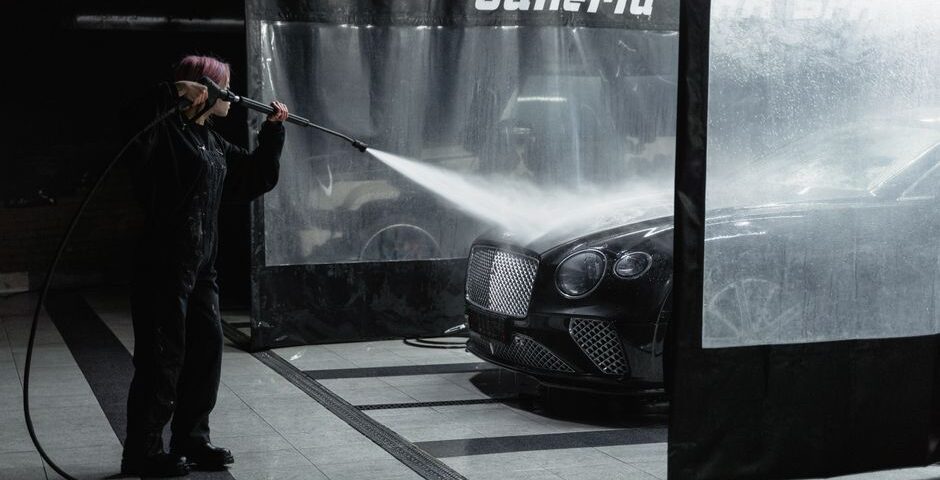
Two houses on the same Indianapolis street can need two very different cleaning methods, and the deciding factor is usually what the surface is made of. High-pressure water is the right tool for a concrete driveway that has spent a winter collecting road grit. That same water can force moisture behind vinyl siding or tear up a painted deck. Knowing how pressure washing and soft washing differ, and which surfaces each one suits, keeps homeowners from turning a simple cleaning job into a repair bill.
The Core Difference Between Pressure Washing and Soft Washing
Pressure washing relies on the force of water, delivered at high velocity, to blast dirt and grime off a hard surface. Soft washing takes the opposite approach. Instead of relying on force, it uses lower pressure combined with cleaning solutions to break down dirt and organic growth like algae, then rinses the surface clean. The result is a house wash that removes the buildup without damaging the material underneath.
| Factor | Pressure Washing | Soft Washing |
|---|---|---|
| Primary cleaning force | High-velocity water | Cleaning solutions plus low pressure |
| Best suited to | Concrete, driveways, patios, hard flatwork | Roofs, siding, painted wood, decks, storefront facades |
| Main appeal | Fast removal of embedded grit and stains | Safe cleaning that protects finishes and materials |
| Risk if misapplied | Can etch or strip softer surfaces | Low risk on the surfaces it is designed for |
When Pressure Washing Is the Right Call
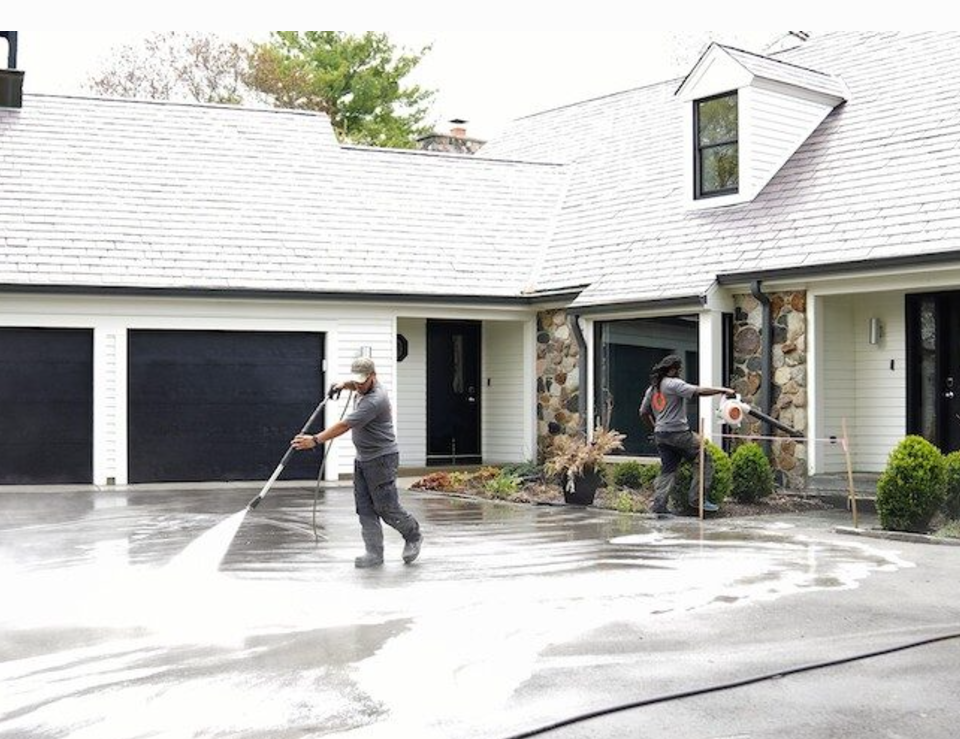
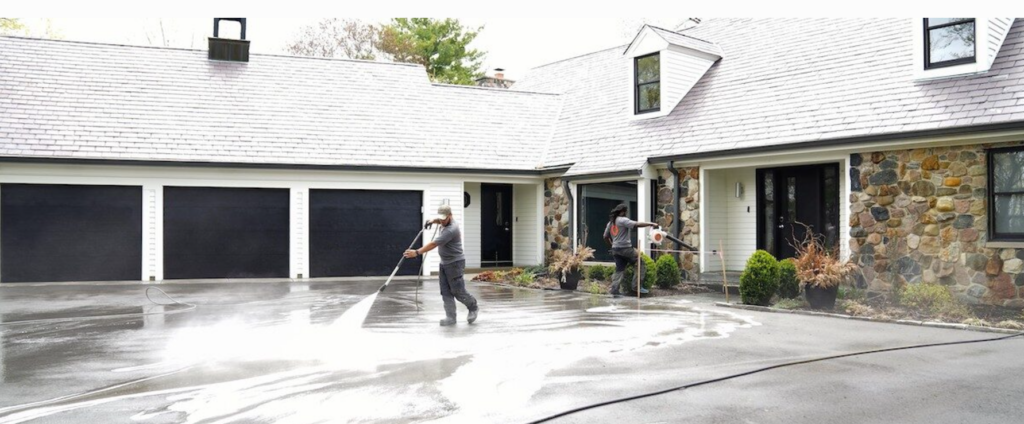
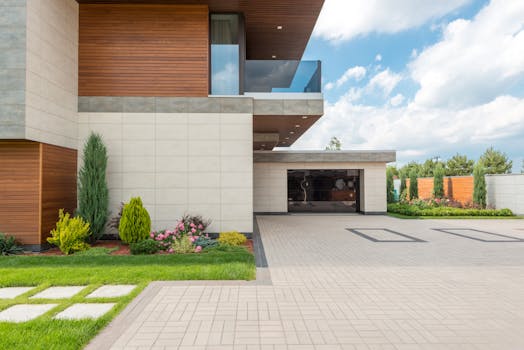
Concrete is the natural home of pressure washing. Driveways, sidewalks, garage aprons, and patio slabs are dense, flat, and durable, which means they can handle the force of a pressure washer without damage. These surfaces also collect the kind of grime that soft washing struggles with: tire marks, embedded road dirt, salt residue, and the dark organic film that develops on concrete that stays shaded or damp.
Indianapolis properties deal with all of it. Long humid stretches encourage algae and moss to take hold on concrete, and winter leaves behind a layer of grit and salt that dulls the finish of a driveway. Pressure washing lifts that material quickly and restores the lighter, cleaner look of the concrete underneath.
Pressure washing also makes sense on commercial hard surfaces. Storefront walkways, loading areas, and entryways collect foot traffic grime that needs more than a rinse, and cleaning them before a busy season keeps the front of a business looking maintained.
When Soft Washing Is the Better Choice
Soft washing is the safer method for anything that can be damaged by direct high pressure. Roofs top that list. Roof stains are usually organic growth rather than dirt, and aggressive pressure can damage roofing material in a way that shortens its life. Soft washing lets cleaning solutions do the work so the growth is killed and rinsed away without forcing water into places it does not belong.
House washing is the other major use. Siding comes in many materials, and Indianapolis homes include brick, wood, stone, and vinyl exteriors. A soft wash is designed to clean those finishes safely, removing dirt and algae without the risk that high pressure carries on painted or thinner surfaces. Wooden decks, painted trim, and gutters fall into the same category. They need cleaning, but they need it gently.
Why Indianapolis Homes Often Need Both
The Central Indiana climate creates a two-front cleaning problem. Humidity and shade feed algae and moss, which show up on roofs, siding, and north-facing concrete. Freeze and thaw cycles work on concrete and hardscape, opening small cracks where moisture collects and organic growth settles in. A single method cannot handle all of that well.
That is why a full exterior cleaning plan usually combines both approaches. The driveway and walkways get pressure washed. The siding, roof, and deck get soft washed. Each surface gets the treatment it can actually tolerate, and the property looks consistent from the curb to the back fence.
Matching the Method to the Surface
The table below reflects how these two methods are typically assigned on residential and commercial properties.
| Surface | Typical Method | Why |
|---|---|---|
| Concrete driveway and sidewalks | Pressure washing | Durable flatwork that handles higher pressure and heavy dirt |
| Patio slabs and garage floors | Pressure washing | Hard, non-porous surfaces with embedded grime |
| Roof shingles | Soft washing | Protects roofing material while removing organic stains |
| Vinyl, wood, brick, and stone siding | Soft washing | Cleans the finish without the risk of high pressure |
| Decks and painted trim | Soft washing | Preserves wood and coating while removing algae and dirt |
| Commercial storefront facades | Soft washing | Cleans entry areas and exterior walls before busy seasons |
What Goes Wrong With the Wrong Method
Using high pressure on a surface that cannot take it is the most common mistake in exterior cleaning. On siding, the damage is not always obvious right away. Water forced behind panels can lead to problems that only surface weeks later. On painted wood, pressure can strip a coating that was doing its job, which turns a cleaning project into a repainting project.
The reverse mistake is just as real. Trying to soft wash a driveway that has years of packed dirt and tire stains usually leaves the concrete looking uneven, with clean patches next to dark ones. Concrete needs the mechanical force of pressure washing to come back evenly, and there is no shortcut around that.
Roofs deserve special caution. A roof is not a surface to test methods on. Because roof stains come from living growth rather than loose dirt, the goal is to treat and rinse rather than blast. That is why roof cleaning is handled with a soft wash approach.
What to Ask an Indianapolis Pressure Washing Company
Indianapolis has plenty of exterior cleaning providers to choose from, and directories such as the Better Business Bureau listing for pressure washing in the area, along with review platforms, can help you compare options. Whatever company you consider, a few questions separate a careful operator from a fast one.
- Which surfaces will you pressure wash, and which will you soft wash?
- How do you protect plants, outdoor furniture, and painted trim during the job?
- Do you treat roof stains, or only clean flatwork and siding?
- Can you clean gutters and exterior walls in the same visit?
- Are you insured, and can you provide a written estimate before work starts?
Forte Surfaces provides pressure washing in Indianapolis, IN for residential and commercial properties, along with concrete cleaning, sealing, and restoration work. Homeowners who want an exterior cleaning plan rather than a one-off wash can request a free estimate by calling (317) 771-4660.
Timing the Work Around Indiana Weather
Exterior cleaning in Central Indiana works best during milder stretches when temperatures stay above freezing and plants are not fully leafed out or dormant in the harshest part of winter. Cleaning before sealing projects matters too. Concrete sealing, driveway sealing, and deck care all depend on a surface that has been properly cleaned first. Grime trapped under a sealer will stay there.
Many homeowners schedule cleaning as a seasonal reset, then handle sealing or restoration afterward once the surface has dried. If your driveway, roof, or siding has visible algae, dark streaking, or a chalky film, that is a reasonable signal to book an assessment rather than wait another season.
Frequently Asked Questions
Is power washing the same as pressure washing?
The two terms are often used interchangeably in everyday conversation, and many service listings use both. The practical difference that matters for your home is how much force is applied to a given surface, not the label. Ask any provider to explain which method they plan to use on each part of your property before they begin.
What exactly is soft washing?
Soft washing cleans with lower pressure combined with cleaning solutions instead of relying on the force of water. It removes dirt and algae safely from surfaces that high pressure could damage, which makes it the standard approach for house washing, roofs, decks, and painted exteriors. It is a gentler method, not a weaker one.
Can pressure washing damage my siding?
Siding is one of the surfaces where high pressure carries real risk, particularly on vinyl panels and painted wood. Soft washing is the safer route for house exteriors. If a provider proposes blasting your siding at full pressure, ask why and request that a gentler method be used on those areas instead.
How much does pressure washing cost in Indianapolis?
Pricing depends on the size of the property, the number and type of surfaces, and how much buildup has to be removed. Because rates vary by provider and job scope, ask for a written estimate before work begins rather than comparing flat quotes. Many local companies offer a free estimate as a starting point.
Should my roof be pressure washed?
No. Roof stains are usually organic growth rather than loose dirt, and high pressure can harm roofing material. Roof cleaning is handled with a soft wash approach that treats the growth and rinses it away. If a provider offers to pressure wash your shingles, look for a company that uses the gentler method instead.